

Puppy Teething: Stages, Symptoms, and Solutions
It happens to almost every pet parent: your new puppy starts gnawing on your furniture, nipping at your feet, and chewing anything else they can get their teeth on. It is probably the result of puppy teething, and chewing is simply nature’s way of relieving discomfort as your pup’s adult teeth come into place.
This guide covers the full teething timeline (with an age-by-age breakdown), the symptoms to expect, what’s actually safe to give a teething puppy at each stage, and when it’s worth a call to the vet.
What Is Puppy Teething?
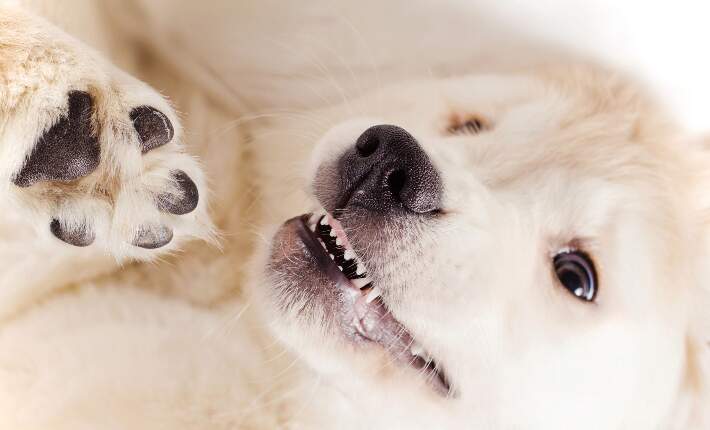
Puppy teething occurs when a dog’s baby teeth start falling out and their permanent teeth begin to emerge behind them. It’s a natural, healthy process that is critical to your pup’s development, and a sign they are growing up. If you’re lucky, your pup will breeze through teething with just a few symptoms as their adult teeth develop. Many dogs, however, experience quite a bit of discomfort when teething, and that’s where chewing comes into play.
The puppy teething process often causes sore gums, which happens when the adult teeth start pushing their way in through the gumline. Chewing provides a soothing activity to help relieve teething discomfort. Expect your furry friend to do lots of nibbling and gnawing as they grow; puppies also chew as a means to explore their surroundings.
Puppy Teething Age Chart: When Each Stage Happens
Teething begins very early in a pup’s life, likely before you even welcomed your new friend home. Here’s the timeline pet parents ask about most, based on veterinary sources including VCA Animal Hospitals and The Spruce Pets:
|
Age |
What’s Happening |
|
2 to 4 weeks |
Baby (deciduous) teeth start breaking through the gumline. |
|
6 to 8 weeks |
All 28 baby teeth, sometimes called milk teeth, are in place. |
|
3 to 4 months |
Baby teeth start falling out, and adult incisors begin emerging first. |
|
5 months |
Adult canine teeth, the pointed ones, typically come in. |
|
4 to 7 months |
Adult premolars and molars fill in behind them. |
|
6 to 8 months |
All 42 adult teeth are in place, and active teething is over. |
When do puppies start teething?
Puppies start to develop their baby teeth a few weeks after they are born, and in some cases, they can appear at just two weeks old. These first teeth are often called milk teeth because pups are still nursing when they appear.
How long does puppy teething last?
The active phase most pet parents mean by “teething,” when baby teeth are falling out and adult teeth are pushing in, generally runs about three to four months, starting around three to four months of age and wrapping up by six to eight months. The full arc, counting from the very first baby tooth, spans roughly the first six to eight months of a puppy’s life.
When does a puppy stop teething?
When do puppies lose their baby teeth?
Baby teeth typically start falling out around three to four months of age, beginning with the incisors at the front of the mouth. Dogs swallow most of their baby teeth, which is completely harmless, but you might spot a few teeth lying on the floor as your dog chews. Eventually, your dog’s 42 adult teeth will finish coming in when they are six to eight months old.
Puppy Teething Symptoms
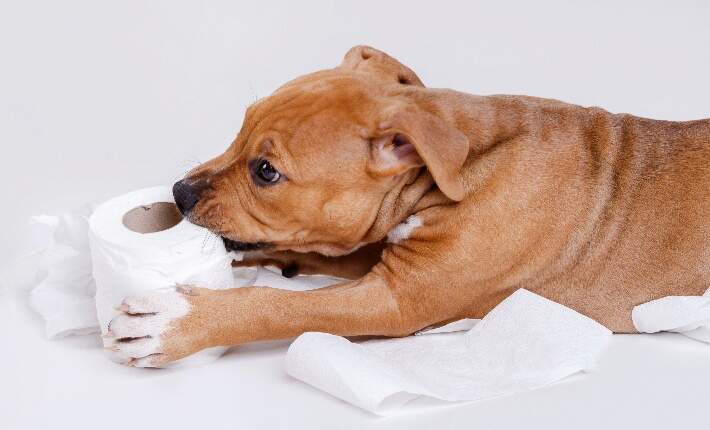
Teething is not difficult to identify. The following common puppy teething symptoms may indicate your dog’s adult teeth are on their way:
● Excessive chewing or nipping
● Drooling
● Small blood spots on your dog’s toys
● Red or swollen gums
● Fever
● Slower-than-normal eating
● Crying or whining
What Can I Give a Teething Puppy to Chew?
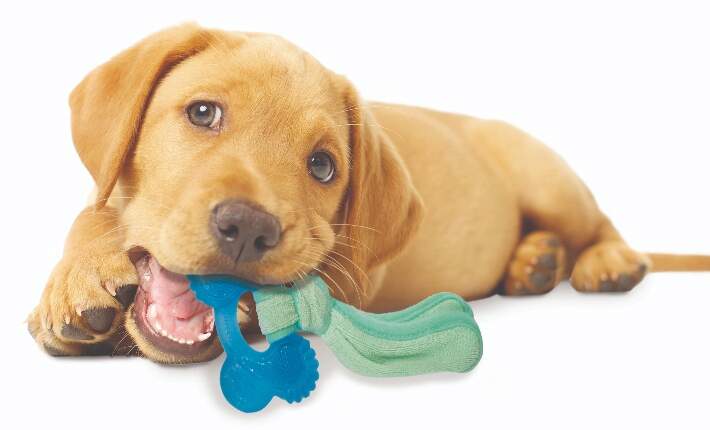
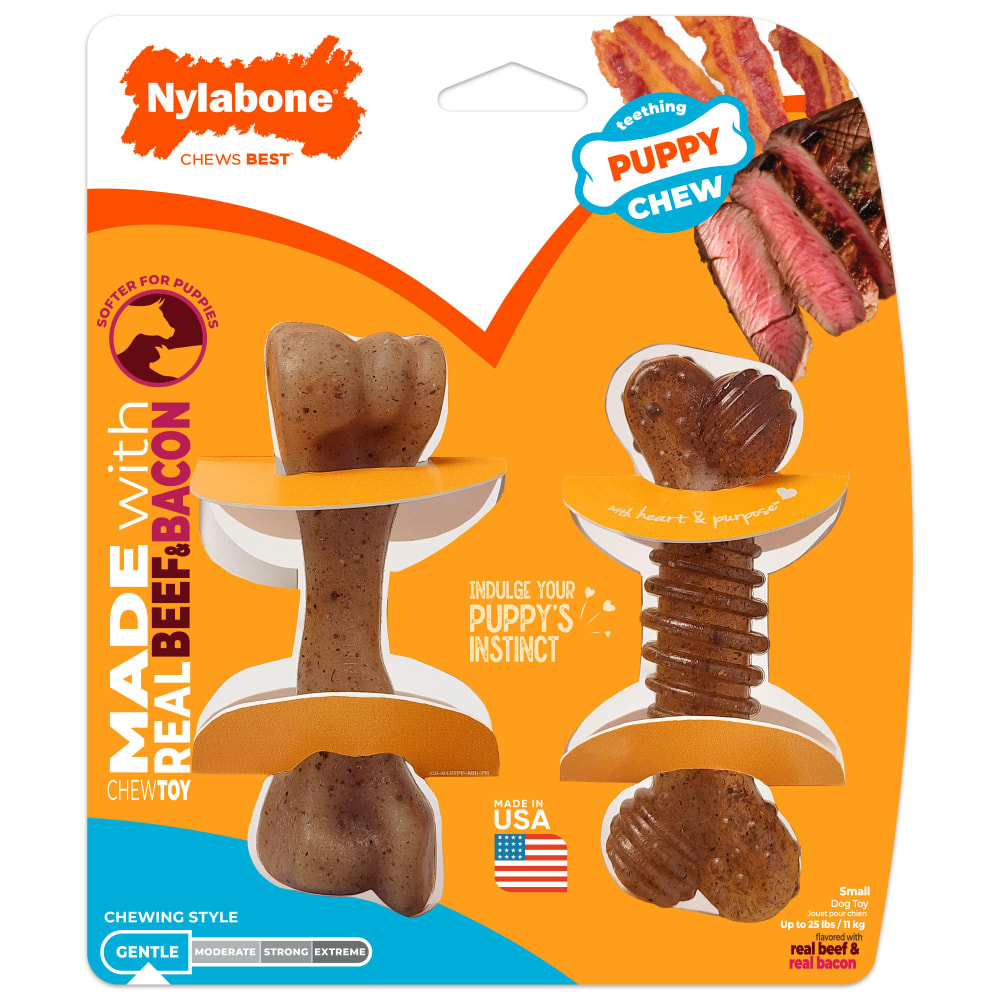
Not only is chewing an essential part of teething, it’s also a natural instinct that keeps dogs occupied and helps them manage a variety of emotions. Offering your furry friend appropriate Puppy Chew toys will give them teething relief and provide a safe, healthy chewing outlet.
Are rubber or nylon toys better for teething puppies?
For a teething puppy still working through baby teeth, softer usually wins over harder. Nylabone’s Puppy Chew line uses the softest, most pliable materials in the lineup, designed specifically for a developing mouth and baby teeth. That softer material flexes with a puppy’s bite instead of fighting it, which is gentler on sore gums and still-forming teeth.
Once a puppy starts getting their adult teeth, the right chew strength comes down to how that puppy actually chews rather than their age alone. Some puppies turn into powerful chewers right as their adult teeth come in, which is why a few Puppy Chew toys are made from nylon too. Watch how your puppy handles their current chew toy, and move up to Flexi Chew or a tougher line once they’re chewing hard enough to need it.
What should I look for when buying a chew toy for a young puppy?
For an 8-week-old puppy who just got their full set of baby teeth, or a 3-month-old who’s about to start losing them, the criteria are the same: pick the softest chew strength available, size it to your puppy’s current weight rather than their expected adult size, and supervise every chewing session. A Puppy Chew Teething Pacifier or similar small, textured toy is a reasonable first chew for a puppy this young. Medium-breed puppies who are already at 20 to 25 pounds by the time they’re teething still belong in the Puppy Chew line at this stage; chew strength depends on tooth development and bite force, not projected adult size.
A 4-month-old who’s teething hard, right as baby teeth are starting to fall out, is often at the peak of the discomfort window. This is a good time to lean on a couple of different Puppy Chew textures and shapes, plus a chilled option (see below), rather than a single toy.
Should chew toys change when a puppy starts losing teeth?
Not right away, but yes, eventually. Puppy Chew toys are designed to carry a puppy through the entire teething window, including the transition period when some baby teeth are gone and some adult teeth haven’t fully emerged. The switch to size up in chew strength comes once the adult teeth are actually in, generally around six to eight months, not the moment the first baby tooth falls out. A dog with a full set of adult teeth working on a puppy-strength toy will likely break through it fast, which is more of a swallowing risk than anything else.
Are there puppy starter kits with multiple teething toys?
Yes. A Puppy Chew Starter Kit bundles two chew toys and a chew treat together, which is a practical way to cover both the “something to gnaw on” and “something to eat” categories in one
purchase for a new puppy.
Which puppy products are made in the USA?
Nylabone’s edible chew treats, including Healthy Edibles Puppy Chew Treats, are made in the USA. Not every non-edible chew toy is manufactured domestically; check the package for the American flag mark, which indicates USA manufacturing on that specific item.
Which puppy teething toys do veterinarians generally recommend?
Vets and trainers generally point pet parents toward soft, purpose-built teething toys over household substitutes like ice cubes, frozen washcloths, or old shoes. Nylabone Puppy Chew toys are veterinarian recommended, developed with input from veterinarians and trainers specifically for this stage. Beyond brand, the criteria that matter are softness, appropriate size, and a design that won’t break into pieces small enough to swallow. Look for those same criteria in any puppy teething product, regardless of who makes it.
How Can I Soothe a Puppy’s Sore Gums?
For added relief, a chilled (not frozen solid) puppy chew toy can help ease gum pain and provide a comforting chewing experience. Refrigerating a freezer-safe toy for a short while works, and the cold takes some of the edge off inflamed gums the same way it would for a person. Avoid handing a puppy a fully frozen block of solid ice, since that’s harder than the toy itself was designed to be and can be tough on teeth that are already sensitive. A clean, damp washcloth, briefly chilled, is a low-cost alternative in a pinch.
More Ways to Manage Puppy Teething
Your puppy has started teething, now what? The good news is that chew toys, training, and puppy-proofing can help you and your furry friend get through this process without a fuss. Follow these tips to successfully manage puppy teething.
Work on Obedience Training
Starting obedience training from a young age will help your dog become familiar with your home’s rules. When it comes to teething, it’s up to you to teach your puppy which potential chewing targets are off-limits.
If your teething puppy nips at any part of your body, particularly your fingers or toes, utter a sudden sound such as “No!” or “Ah!” to startle your dog and show them this is not acceptable behavior. Once your dog stops nipping, reward them with praise or a puppy chew treat. If your dog does not respond to your command, provide a few minutes of crate time to help them settle down.
You can implement the same strategy if you see your dog chewing something they shouldn’t, such as somebody’s shoes, a piece of furniture, or any other household object. Alternatively, you can apply a chewing deterrent spray to inappropriate items your dog likes to chew. These training repellents often include bitter flavors that discourage chewing.
Puppy-Proof Your Home
If you haven’t already puppy-proofed your home, your pup’s teething period is a great opportunity to start. Gate off rooms, hide wires and cords, and keep inappropriate objects such as towels and magazines out of reach. As always, supervise your dog as often as possible. It’s also important to make potentially toxic items inaccessible. Plants such as aloe vera, daffodils, lilies, and tulips can be harmful to dogs. Likewise, foods and drinks including raisins, onions, chocolate, grapes, and caffeinated or alcoholic beverages are not safe for dogs. Use our Custom Product Finder Tool to select the best chew toy for your teething puppy.
When Should Puppy Teething Behavior Be Discussed With a Veterinarian?
Most teething is uneventful, but a few signs are worth a vet visit rather than a wait-and-see approach:
● Retained baby teeth: according to VCA Animal Hospitals, if a baby tooth doesn’t fall out on its own as the adult tooth grows in behind it, the two can end up sitting side by side. This is called a retained deciduous tooth, and it’s more common in small-breed and short-nosed dogs such as Chihuahuas, Bulldogs, Pugs, Boston Terriers, and Boxers. Check by looking for what appears to be two teeth in the same spot; if you see that, a vet visit is the right next step, since extraction is usually the recommended treatment.
● Crooked or broken teeth: these need a veterinarian’s evaluation rather than home management.
● Teeth still present well past 8 months: if your dog hasn’t lost a baby tooth that should be gone by then, or doesn’t have a full adult set by around 8 months, get it checked.
● Refusal to eat, or eating that seems painful, for more than a day: mild slow eating during peak teething is normal; ongoing appetite loss is not.
● Unusual or heavy bleeding: this is different from the occasional small blood spot on a toy, which is typically harmless.
Keep Those Teeth Healthy!
Puppy teething is an excellent time to establish a dog dental care routine. The sooner your dog grows comfortable with you cleaning their teeth, the more likely they are to accept regular brushing for years to come. This will also help you become familiar with your dog’s teeth and mouth, which will come in handy when you’re trying to brush hard-to-reach areas. Just be sure to contact your veterinarian if you spot anything out of the ordinary. Your puppy’s adult teeth will arrive before you know it.


FOLLOW US!


